
Letting Go of Control | What the Ocean Taught Me About Safety
Letting go of control was the last thing I expected the ocean to teach me. I assumed life at sea would demand more control, not less. More planning. More checking. More holding on.
It asked for something else. It showed me that control and safety were never the same thing.
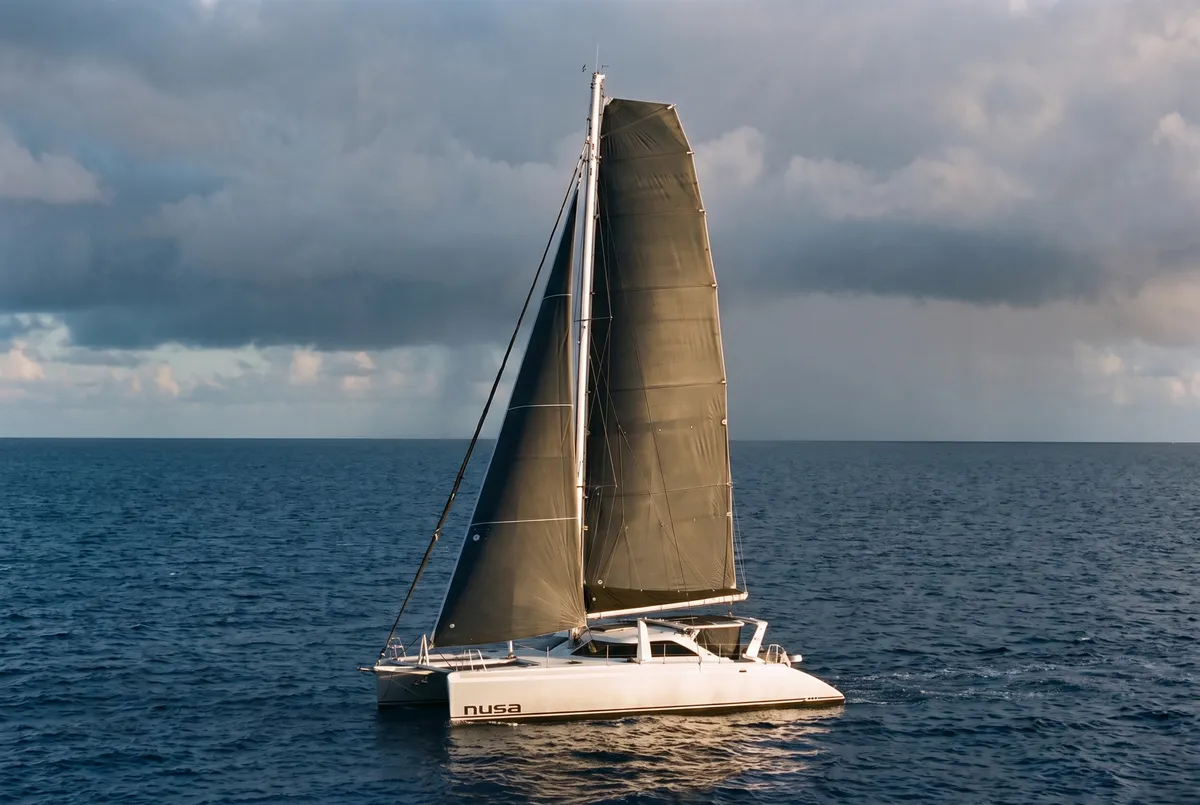
Our family of six left our whole life on land and moved aboard NUSA, our 52 foot sailing catamaran. People think it is romantic, and it is. It also takes real courage, because there is no built-in safety out here. Nobody hands it to you. You create your own.
On Land, I Confused Control With Safety
For most of my life, control felt like safety. If I planned everything, anticipated everything and held everything, nothing could go wrong.
Maybe you know this one. The airtight calendar. The backup plan for the backup plan. The quiet panic when something moves that you did not move yourself.
That grip was protection. It kept me safe in a season when I needed it. It also kept me exhausted, because holding everything still takes everything you have.
But control tries to make the unknown disappear, and the unknown never does. So the gripping never ends.
The cost is a life spent braced. You cannot rest, because something might go wrong. You cannot hand anything over, so the people around you never get the chance to step up. You end up holding the whole boat on your own, in calm water and in rough.
Out Here, You Cannot Control the Ocean
The ocean is always moving. The weather is always shifting. There is so much to learn, and so much risk.
A great example of this was when we sat out a southerly blow up inside Island Head Creek. We had a decision to make. Head out of the pass into two to three metre swell for a clean three day passage, or wait until the swell halved and sit out another five day blow at the Percy Islands.
We took the swelly pass for the clean three day run. It was such a tight pass, with only 0.2 metres of clearance and breaking swell, followed by half a day of solid easterly swell before we cleared the system and entered smooth seas.
There are no guarantees out here. Only discernment, and the certainty to trust your informed decision. And a solid conversation with God always seems to pull us through.
When something breaks, there is no plumber to call and no hardware store around the corner. There is whatever we have on board, whatever the Captain knows, and a lot of patience.
You cannot argue with the sea. You can only decide how you meet it.
What We Control Instead
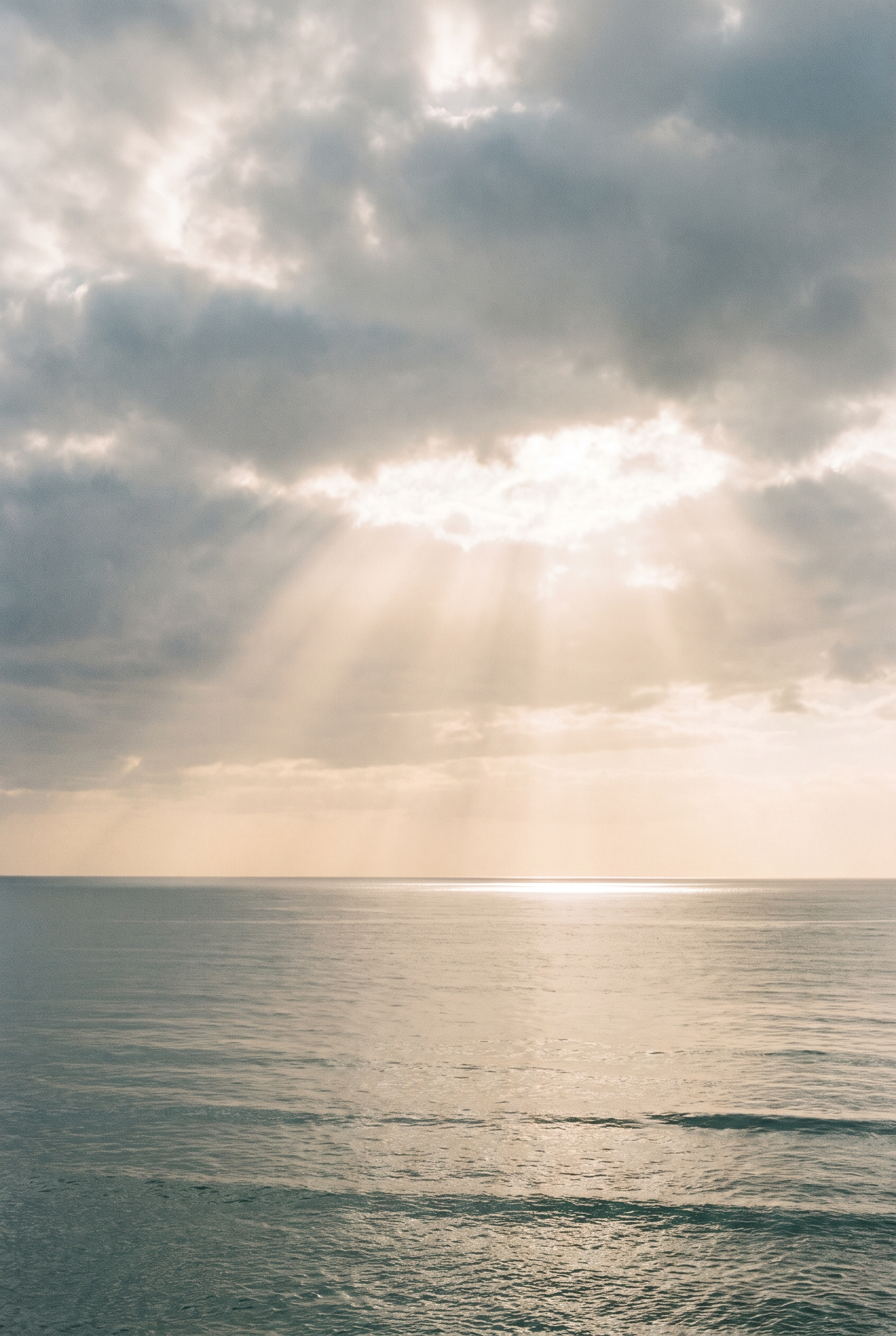
We stopped trying to control the ocean and started authoring our own safety. That looks very different.
Preparation. We do the work before we leave, so we are not gripping once we are out there.
Reading the conditions. We pay attention to what is actually happening, not what we wish was happening.
The decision. Go, wait or change course. Each one is a choice we own, and none of them is failure.
How we respond. When something shifts, we adjust. The adjustment is the skill.
The need for control is one of the patterns nobody ever named for you. Sixteen gives it a name, and it is free at sixteen.angiemarieglobal.com.
How to Build Your Own Safety on Land
You do not need a boat to practise this. Next time you feel the grip, try these.
Self leadership is the quieter skill here. It means trusting yourself instead of managing yourself. You prepare what is yours, you read what is in front of you, and you let the rest be the weather.
1. Separate what you can author from what you cannot. Write two lists. Put your energy only into the first.
2. Prepare, then release. Do the work, then stop rehearsing it in your head.
3. Trust your own read. You already know more than you let yourself believe.
4. Change course without shame. Waiting or turning back is a decision, not a defeat.
A Worked Example: The Week You Cannot Control
Here is what this looks like on land. Say you have a big week ahead: a presentation at work, a sick child, a partner travelling, and a family event on the weekend. Your chest tightens just reading the calendar.
The old way is to grip. You rehearse the presentation at midnight, plan three versions of the weekend, and check your phone every ten minutes in case something shifts.
Try the ocean way instead.
Two lists. On the left, what you can author: your preparation, the help you ask for, what you say no to, how you respond when something changes. On the right, what you cannot: the child’s temperature, the meeting running late, other people’s moods. You look at the right-hand list once, honestly, and then you stop giving it your energy.
Prepare, then release. You give the presentation two focused hours, on Tuesday morning, and then you close it. Rehearsing it again at 11pm is the grip, not the preparation.
Trust your read. On Thursday the child is still unwell. You already know the weekend needs to be smaller. You stop arguing with that knowing and change the plan.
Change course without shame. You tell the family you will come for lunch, not the whole day. Nobody falls apart. Waiting, shortening and turning back are all decisions, not failures.
By Sunday nothing went perfectly. But you were present for more of it, because you stopped spending the week holding the whole sky up.
What Letting Go of Control Gives Back
When you stop gripping, energy comes back that you did not know you were spending. You sleep differently. You notice more. You make better calls, because you are reading the conditions instead of fighting them.
That is what the ocean keeps teaching us. Safety is something you build and carry. It was never something you could force the world to give you.
Sovereignty Is the Authorship of Your Own Safety
This is what sovereignty actually looks like. Not a quote on a wall. A family choosing the life they want over the safety they were told to keep.
Control tried to make the world hold still. Safety, it turns out, is something you build from the inside and carry with you.
There is no built-in safety on the ocean. You create your own.
(Name one thing you are gripping this week that is not yours to control. Notice what your hands want to do as you name it.)
The grief is the years spent bracing for weather that never came, and missing the sailing.
You get to build your own safety, and then let yourself enjoy the water.
Questions People Ask
Why do I feel the need to be in control?
For many capable people, control began as protection. It kept you safe in a season when things felt uncertain. The need is loyal; it is simply still running after that season ended.
Is letting go of control the same as giving up?
No. Letting go of control means putting your energy where you have real influence: preparation, decisions and how you respond. Giving up means stopping altogether. One is a skill, the other is a surrender.
How do I let go of control at work?
Start with the two lists before your next big week. Do the preparation that is yours, hand back what belongs to others, and decide in advance what you will do if plans change.
Ready to See What Your Grip Is Protecting?
New here? Start with Sixteen, the patterns nobody ever named for you. It’s free. https://sixteen.angiemarieglobal.com
Message in a Bottle
This week, notice one thing you are gripping, and loosen your hold on it by one notch.
I love you, Angie x
P.S. Remember, Abundance is your Baseline.


About The Blogger
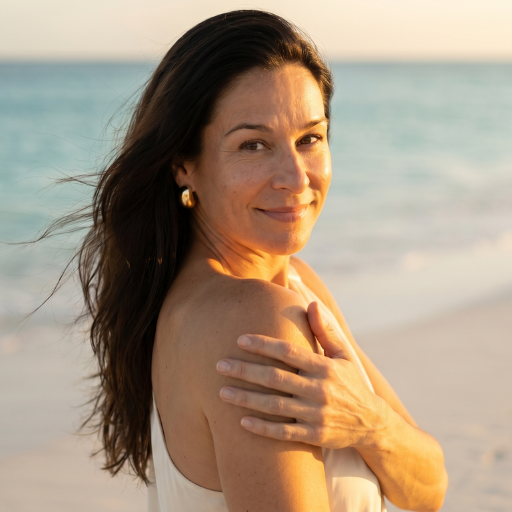
Hi, I'm Angie.
Founder of Angie Marie Global. I help the person everyone counts on and nobody checks on fall back in love with the life they already built. Writing from NUSA, our family's sailing home.